
Tip
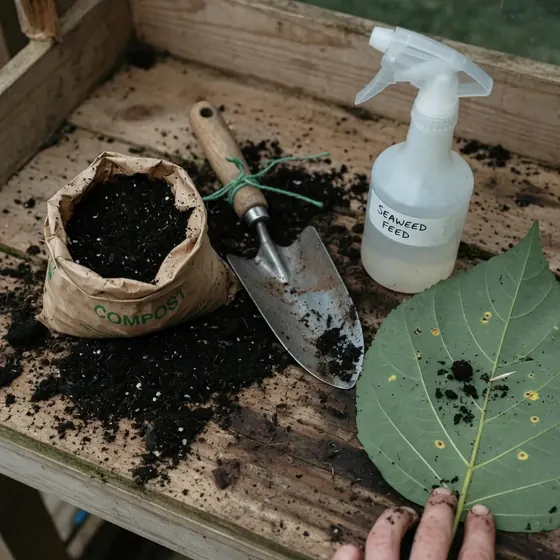
Keep spraying or washing the leaves of your plants, as even though hypoallergenic plants won't affect you, but the dust that settles on them surely might!
Certain flowers have loose pollens that easily detach from them and float in the air. They can be so tiny that most of the time they aren't visible. These pollens when inhaled cause allergic reactions like sneezing, nasal congestion, coughing, itchy and watery eyes, running nose, stomachache, and hay fever. Some flowers might also cause rashes, resulting in skin irritation.
There are many plants that don't have pollens, and many others have separate species, where the male genus produces pollens, while the female genus doesn't. To avoid these allergies, you have to make sure about which plants you choose to breed in your surroundings.
Hypoallergenic Flowers
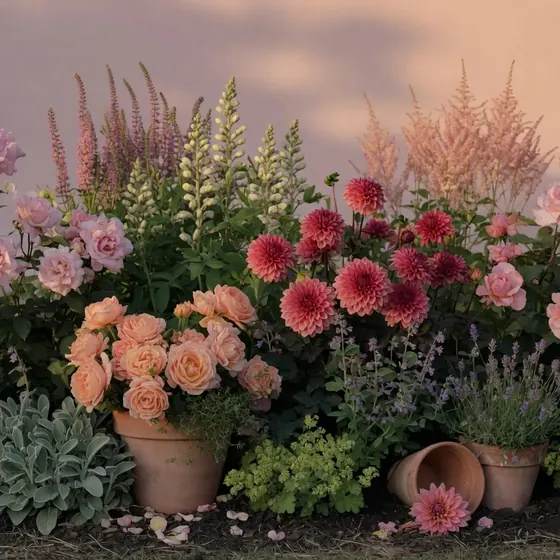
None of the flowers are truly considered hypoallergenic, but there are some that rank the least at causing trouble to sensitive nose and skin. Studies say that flowers that allure bees and insects for pollens are generally colorful and hence, attractive. The brighter the color, the higher is the pollen count. However, there are many colorful flowers that are hypoallergenic, which you should be aware about.
Begonia
Family: Begoniaceae
Cactus
Family: Cactaceae
Chenille
Family: Euphorbiaceae
Clemantis
Family: Ranunculaceae
Columbines
Family: Ranunculaceae
Crocus
Family: Iridaceae
Daffodils
Family: Amaryllidaceae
Dusty Miller
Family: Asteraceae
Geranium
Family: Geraniaceae
Hosta
Family: Asparagaceae
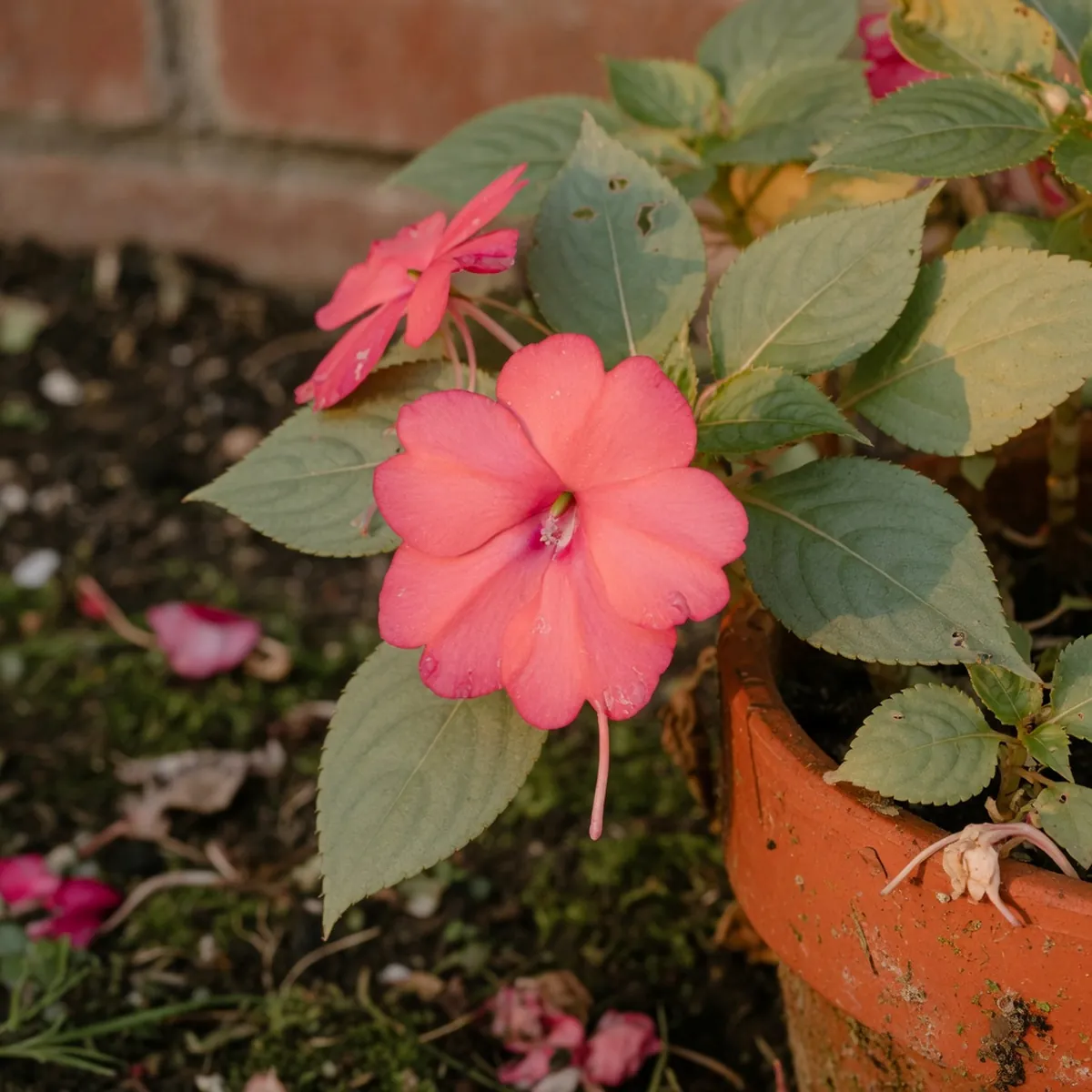
Impatiens
Family: Balsaminaceae
Iris
Family: Iridaceae
Lily
Family: Liliaceae
Pansy
Family: Violaceae
Periwinkle
Family: Apocynaceae
Petunia
Family: Solanaceae
Phlox
Family: Solanaceae
Rose
Family: Rosaceae
Salvia
Family: Lamiaceae
Snapdragon
Family: Plantaginaceae
Thrift
Family: Plumbaginaceae
Tulip
Family: Liliaceae
Verbena
Family: Verbenaceae
Zinnia
Family: Asteraceae
Sunflower
Family: Asteraceae
Hypoallergenic Shrubs
If you are allergic to plants, remember that plants are not the only medium that will affect you. Shrubs make good colorful houseplants, but they need to be nurtured well. Dampness can cause hidden mold, which are harmful even for those people who aren't sensitive to allergens/pollens.
Boxwood
Family: Buxaceae
Azalea
Family: Ericaceae
Hibiscus
Family: Malvaceae
Hydrangea
Family: Hydrangeaceae
Viburnum
Family: Adoxaceae
Hypoallergenic Trees
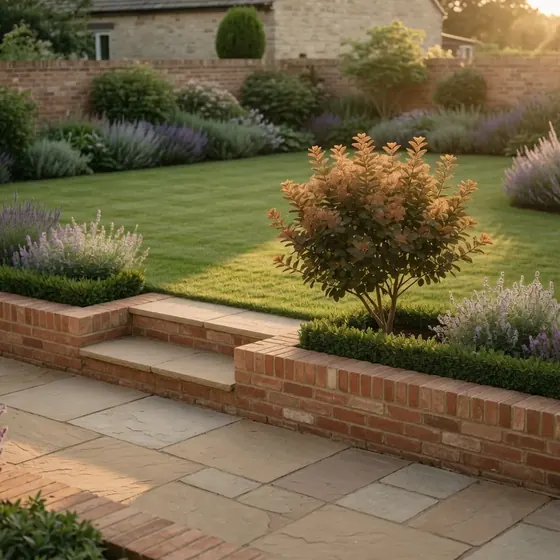
Not just being confined to the house, if you love being around greenery and birds chirping in the morning, start by planting these trees. They are safe from allergies and you can enjoy the richness of freshly plucked fruits right from your backyard!
Apple
Family: Rosaceae
Cherry
Family: Rosaceae
Chinese fan palm (female)
Family: Arecaceae
Fern Pine (female)
Family: Podocarpaceae
Dogwood
Family: Cornaceae
English holly (female)
Family: Aquifoliaceae
Crepe Myrtle
Family: Lythraceae
Magnolia
Family: Magnoliaceae
Pear
Family: Rosaceae
Plum
Family: Rosaceae
Red Maple (female)
Family: Sapindaceae
We also want to warn you against the most allergenic plants that you should totally avoid! Chrysanthemums, daisies, chamomile, and goldenrod are some of the plants with the highest pollen count.