
The star fruit gets its name from its appearance as a five-pointed star, when it is cut across its middle. The fruit is also known by the name, 'Carambola' and the tree is known scientifically as, Averrhoa carambola.
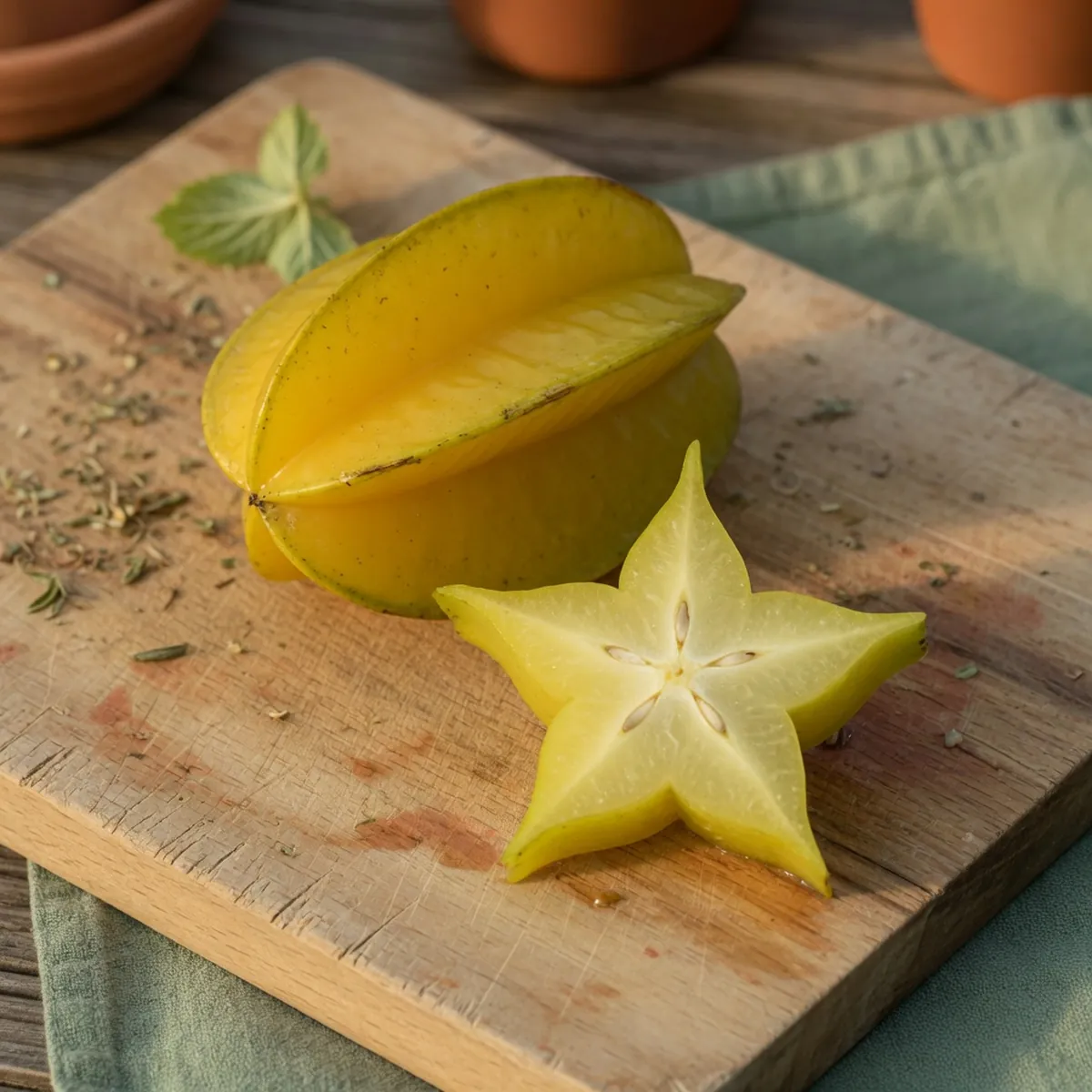
Apart from being a popular cultivated species in Colombia, Trinidad, Guyana, Dominican Republic, and Brazil, the fruit is also grown commercially in the U.S, in south Florida and Hawaii.
The introduction of this plant in Florida took place over 100 years ago. Sweet (with 5% sugars) and tart (with 1% acid) are the two flavors which this fruit comes in.
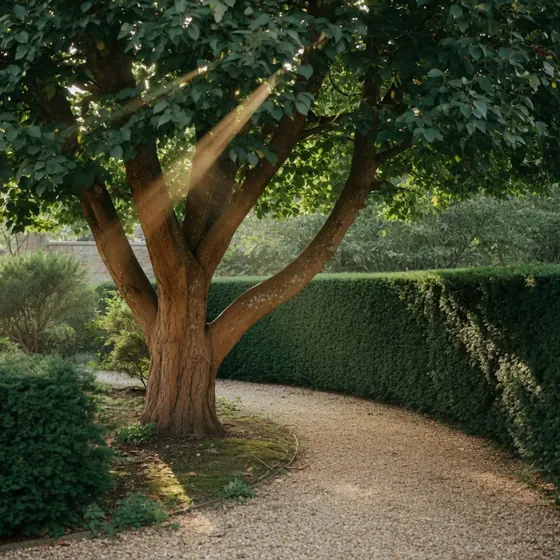
This tree is small and grows slowly. It can grow up to 20 ft. - 30 ft. Warm tropics are considered best for growing it. However, even subtropical climates are not bad, unless the plants are protected from extreme cold.
Care Guide
It is vital to keep a check on the plant's pH range, watering, fertilizing, and pruning. The pH range for the plant should be below 7, in order for it to absorb nutrients. If the range is above 7, then it might develop iron, magnesium and manganese deficiencies. This in turn may cause reduced leaf size, mottling, white leaflets, and yellowing.
A tree that is newly planted must receive adequate amount of water. This would help them to get a firmer root system. It prefers moist conditions and that is the reason why, it must be regularly watered in summers and during dry periods in winters.
Nitrogen rich fertilizers are suitable for this plant, and it must be applied every 60-90 days. For young plants, the fertilization must be carried out every 30-60 days. If the shoots of the plants which are 1-2 years old, go beyond 3 feet, then it is a good idea to trim them down.
This will encourage a dense growth. Do not allow grass or other vegetation to grow within 5 feet of the trunk of this tree. Otherwise, it will be deprived of the soil's nutrients. Keeping a 2 inch layer of mulch around it, also helps to maintain its health.
Growing Instructions
Plant a healthy sapling in a 3-gallon container. While deciding on a spot for planting, look for one that receives full sunlight. However, the spot must not be subjected to water logging or strong winds. Not to mention, this place must also be away from other trees, buildings, power lines, and other structures.
If you are planning to plant more than one, then remember to keep a spacing of 20 ft. - 30 ft between them. Regarding the soil conditions, the plant is known to adapt itself to most kinds of well drained soils.
As mentioned, the soil reaction must maintain a pH of 4.5 - 7. Watering must be kept to a moderate level. Over-watering might keep it from being productive and under-watering may make the plant suffer from drought.
Growing it in your backyard can be very rewarding when you get to harvest and enjoy its fruits. The fruit might taste like a combination of plums, pineapples and lemons. However, you might also get a taste similar to a mix of papaya, orange and grapefruit.