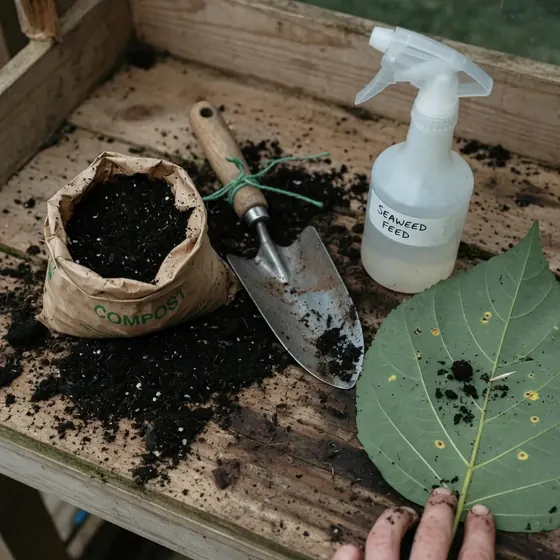

There are different fertilizers available in the market with each having its own unique properties. However, seaweed fertilizers top the list as the best fertilizers as they have several benefits and negligible drawbacks. Fertilizers are used to complement soil by providing essential nutrients that help in increasing the quality and quantity of harvest.
Organic fertilizers are environment-friendly and contain rich amounts of essential soil nutrients. Moreover, they are much cheaper and easily available.
Definition
As the name suggests, seaweed fertilizers are made from seaweeds such as kelp, bladderwrack or laminaria. But those made from kelp are the ones which are used predominantly. These fertilizers provide certain important minerals and starch to the soil. They also provide amino acids and trace elements.
Another benefit is that when the seaweed breaks down, it act as a substrate for micro-organisms to feed on. The micro-organisms tend to break down the soil which helps in better assimilation by the roots, making them strong and healthy. The nutrients in the seaweeds get dispersed in the soil, when they break down and can easily be absorbed by the plants.
Seaweed fertilizers come in different forms and ways of application. Some can be applied directly, while others need to be processed before application. Commercially prepared fertilizers are easily available at most nurseries and prove beneficial for those who cannot gather seaweeds easily.
However, if you live in coastal areas, you can collect seaweeds easily and prepare your own organic fertilizer from it.
Do-it-Yourself
Collect 2-3 pounds seaweed from your local beach. This is enough for a small garden for the entire summer. Rinse the seaweed with water to remove extra salt from that may harm your plants. Now, place it in a glass container and add water until it is completely immersed.
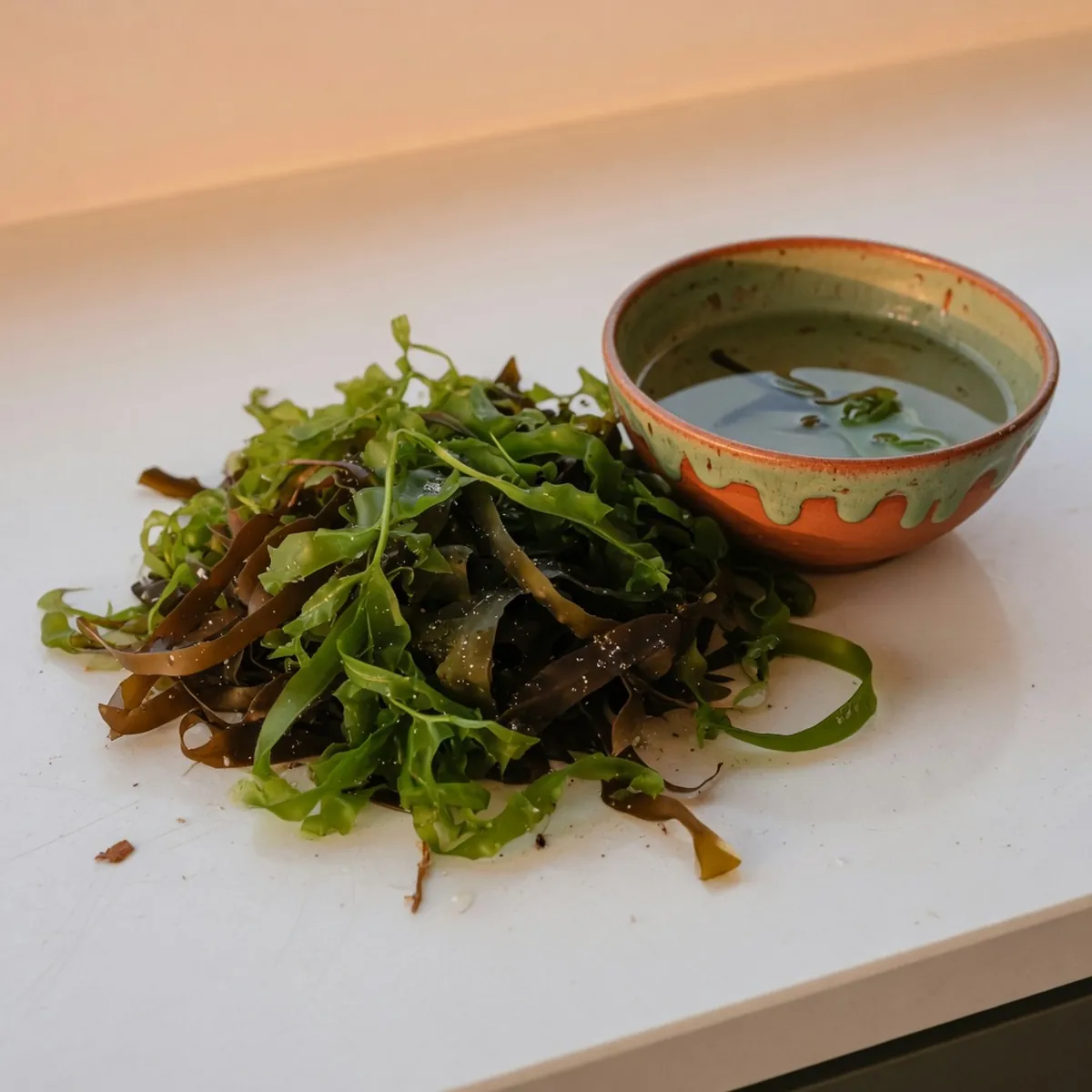
Cover the container with a lid and leave it undisturbed for 2 to 3 months. Wait till the water turns brackish brown; this is an indication of disintegration of the seaweed. Mix it with equal amount of freshwater and apply while watering, every one to two weeks.
Although seaweed is rich in potassium and other trace elements, it has a low content of nitrogen and phosphorus. Adding fish emulsion, which is rich in nitrogen and phosphates, to the mixture makes it a perfect fertilizer containing all the essential elements.
This fertilizer can be used for soil treatment before planting. It can also be applied as a foliar spray, directly on the plant or can be poured into the soil around the base of the plant.