
Peppers are rich in vitamin C and antioxidant lycopene. These fruits were discovered in Mexico and have since been readily cultivated in North and Central America. You can easily grow its plant at home, because it does not require much maintenance.
However, peppers/capsicum cannot grow in cold areas and need humidity and ample sunlight. You can grow them easily in your own garden or even choose to grow them in containers indoors.
Grow Peppers from Seed
Pepper seeds must be planted after winter has passed, because frost can wreak havoc for these plants. Ensure that you plant them soon after all signs of frost have disappeared.
Once the weather is relatively warmer between 18-21C (65-70F), you may begin preparing the soil. The soil must be porous and should have a good soil pH level ranging between 6.2-7.5. Also, do not forget to add plenty of organic soil mix so that extra nutrients can be supplemented.
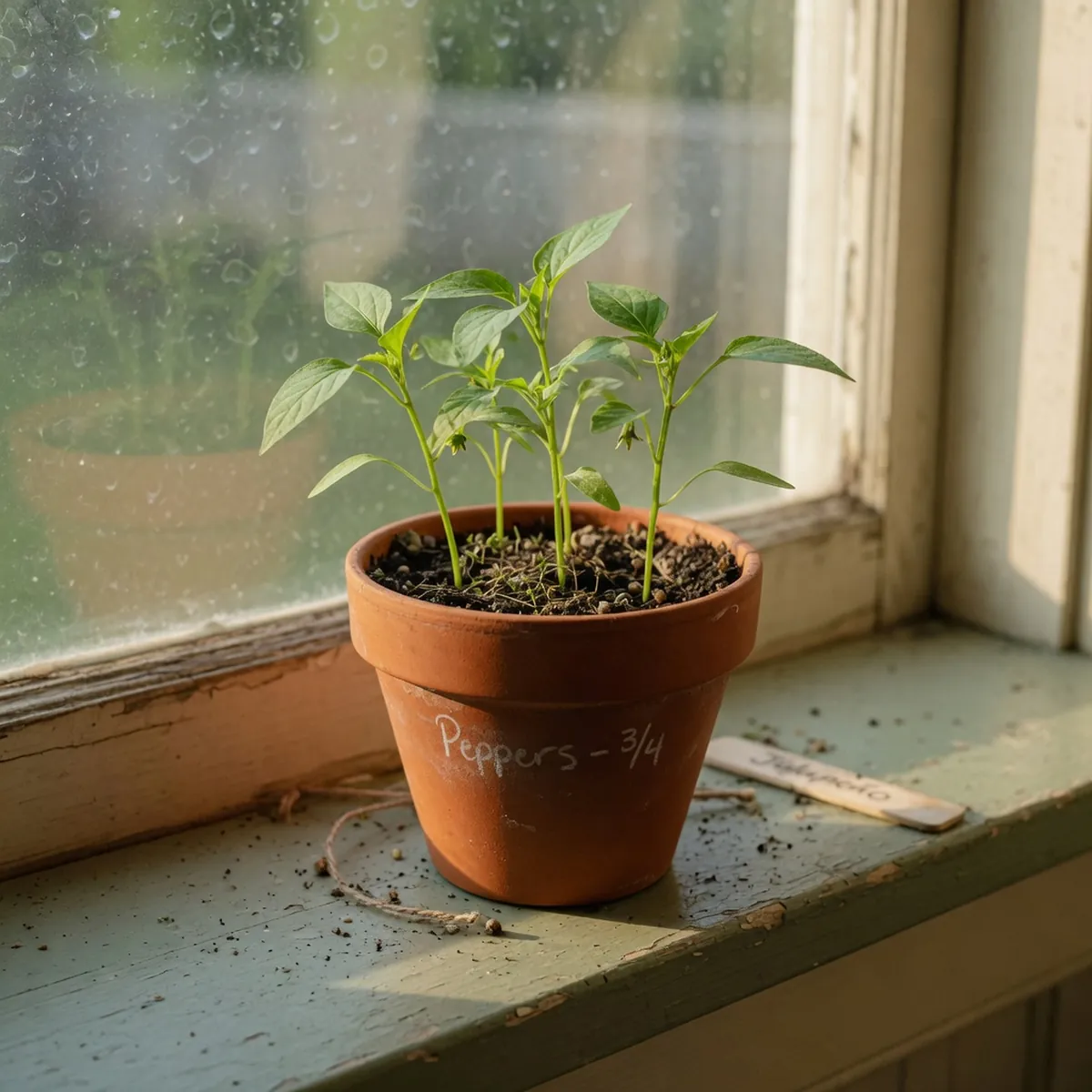
In case of growing bell peppers, the seeds must be planted about 45cm (18in) away from one other. The seeds will take 2-3 weeks to completely germinate. Peppers can be grown indoors in pots or containers. Though they need to be placed near the windows to receive enough sunlight. You will have to ensure that they are planted 45-50 cm apart from each other.
In order to germinate and survive, these seedlings require sunlight for at least 10 hours a day. Once the seedlings are about 8 inches, you would need to transplant them to your garden bed, so that their roots can spread out evenly and grow better.
Consider pinching off the sidesideshoots for making the plant produce many smaller fruits. You could also continue growing peppers indoors, though you would need to have bigger pots and more sunlight. An indoor greenhouse with a propagator would be appropriate for such an endeavor.
You will need to harvest the pepper as soon as they are big enough. If you want them riper, let the fruits grow for a few more days. You have the option of growing different types of pepper, so that you get a variety of colors, sizes, and tastes. Remember that peppers require a lot of water and grow in soil that retains water well.
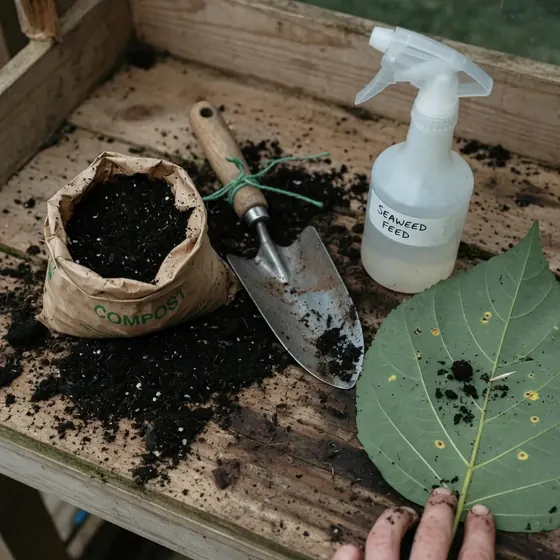
If the water is lesser than average, the fruit may taste more bitter than desired. You should also feed the plant with liquid high potash fertilizer once its first fruit have begun to appear. These liquid fertilizers can be made at home using natural ingredients.
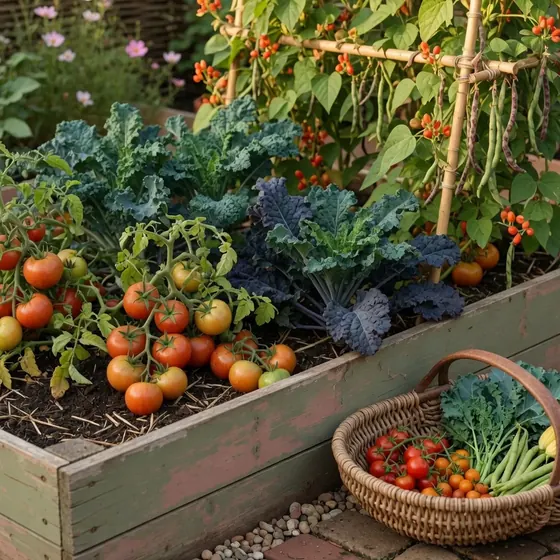
Keep checking the plants for blossom end rot, aphids, red spider mites. The advantage of growing vegetables, like peppers, eggplants, and tomatoes in your garden is that you save a lot on groceries. Why would you want to buy vegetables and fruits, if you can have them for free! So, plant some peppers, and fill your garden with some color.