
Raccoons are nocturnal animals. The only time you can find that they were around is after the damage is done while you were asleep. They are a commonly found in urban areas, which is why you may face problem with them.
Though they appear to be very cute, and may tempt you enough to adopt them, they are hyperactive and very strong. They are also omnivorous, which means they will eat anything in sight, from food from the dumpster, to your own pet's food.
While they usually infest yards, sometimes, they may enter your house through the roof and live in the attic, causing a lot of damage in and around.
Their droppings may contain roundworm which human beings can also contract. Apart from that, they can transfer diseases to your pets too. Before they induce any further damage to your house or yard, or to you, let's find out how to get rid of raccoons.
Cover the trash
Raccoons are easily attracted to garbage. All they're looking for is food. But when they get into the trash can, they can wreak havoc around. Keep the trash can covered.
Now, they can still easily access the bin, so place a brick on the lid of the garbage can. Also, when discarding waste food, ensure that it is thoroughly wrapped to reduce the smell that can entice them.
Keep your yard clean
If you have bird feeders, or pet food lying outside in your yard, it is a clear invitation for these animals to come and enjoy the feast. Discontinue the habit of leaving pet food outside, by emptying bird feeders and ensuring no food items are lying in your yard.
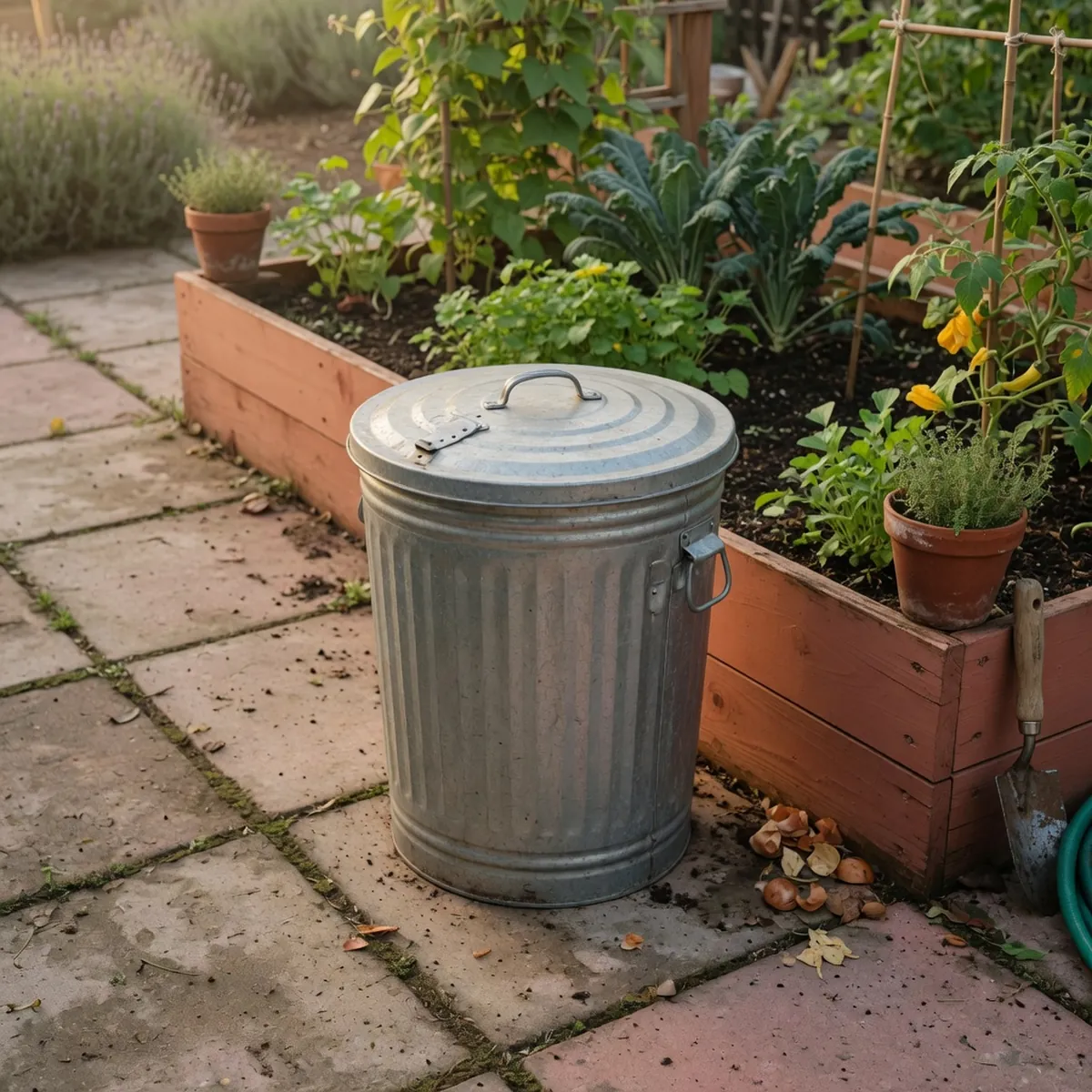
When raccoons infest the yard, they even destroy the plants that are around, and dig holes into the lawn to make a den there.
Protect your house from them too
Having a goldfish or koi-fish by your window serves as raccoon's dinner. Remove such attractions, so raccoons will not enter the house. Also if you have door for pets, seal it till the raccoon stops trying to enter the house from here.
Keep doors and windows secure, as raccoons are excellent climbers and will reach any height to get in. This method will have to be employed for a couple of days, at least until you have been able to discourage the raccoons.
Use raccoon repellents
Strong pet urine or ammonia smell repel raccoons. Dried pet urine, available in pet stores, can be sprinkled in the yard to keep them away. This is not effectively proven but people have been able to repel raccoons by this.
They could be in the attic
As said earlier, raccoons can easily reach any height and the attic is one attractive spot for them to live and breed. One way to keep them away is trim all branches that lead to your roof and make it easy for the raccoons to access the attic.
If they have already infested the attic, it is wiser to seek professional help. This is because raccoons are very protective about their little ones, and any attempt to remove them yourself can be dangerous to you. Seeking expert help can ensure that the problem has been eliminated fully.
Don't use raccoon traps
Though trapping raccoons has been recommended by many, it is not legal in many states to trap and relocate raccoons. If you want to avoid getting into trouble with law enforcement agencies, try to prevent them rather than eliminate them yourself.
Getting rid of raccoons is possible if any of these methods are applied. If you still face a problem, get in touch with a professional agency, or a wildlife expert as your last solution.