
Did You Know?
Flowering plants, also known as angiosperms, are the most numerous and diverse group of seed-producing plants on land. They comprise about 90% of the kingdom Plantae. The total number of described species exceeds 250,000, and many tropical species are as yet unnamed.
Beneficial Insects and Gardening
Beneficial insects are those which increase the productivity of food crops by bringing about pollination (pollinators) or by consuming pests as food (predators and parasites). Predators kill and eat pests directly. A parasite lays eggs in the body of a host pest, and as the eggs hatch, larvae start eating the pest from inside. Thus, they also help kill pests in the garden. Attracting beneficial insects to your garden is an effective way of organic pest control.
Most pests, or their eggs, are small in size, often microscopic. So, insects which kill or eat them are also small in size. Flowering plants, especially small plants and bushes, can create a perfect habitat for them. Most adult beneficial insects feed on pollen and nectar, while their larvae feed on soft-bodied insects and eggs. Common pests include aphids, snails, slugs, ants, maggots, caterpillars, mealybugs, spider mites, thrips, scales, moth, etc. Common insects which kill or eat these pests are lacewings, praying mantis, beetles, hover flies, hornets, pirate bugs, tachinid flies, and various parasitic wasps.
Ample food (nectar, pollen, and pests) and ample space to hide (ground cover, small bushes) can attract beneficial insects to your garden. Plant small ornamental flowering plants in such a way that there are blooms year-round. Lack of food can drive away the insects. Flowering plants with different bloom times can provide a continuous food supply. Studies show that some flowers with better-quality nectar and pollen can attract more beneficial insects than others. Here is a list of the best plants to attract insects. The plants included in this list have some special characteristic features, with the help of which they attract more number of insects as compared to other plants.
Best Plants to Attract Helpful Insects
Sweet Alyssum (Lobularia maritima)
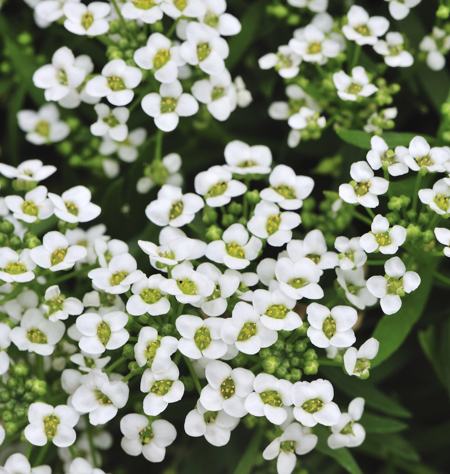
These are fast growing, attractive plants. The flowers are highly fragrant. The plants belong to the category of 'groundcover'. They can attract flower flies that eat aphids.
Yarrow (Achillea millefolium)
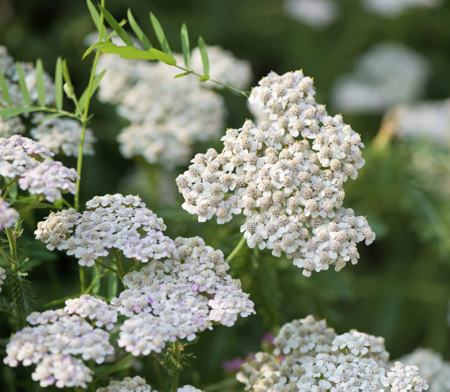
These perennial plants can grow anywhere. They produce clusters of small white flowers and are excellent for borders. They are known for the exceptional medicinal properties that they carry. Various cultivars are available for different colors of flowers.
Anise Hyssop (Agastache foeniculum or A. Rugosa)
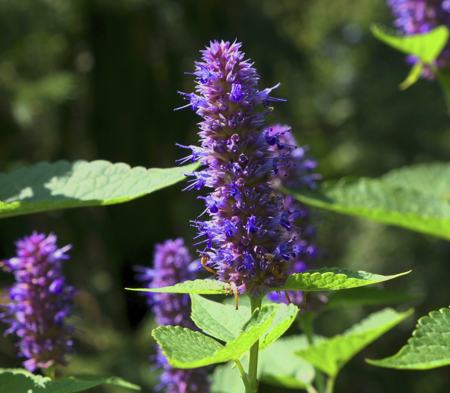
It is hardy in zones 6 to 9. It produces purple or violet nectar-rich flower spikes and licorice-scented leaves. Butterflies and various other beneficial insects are attracted to these flowers.
Cup Plant (Silphium perfoliatum)
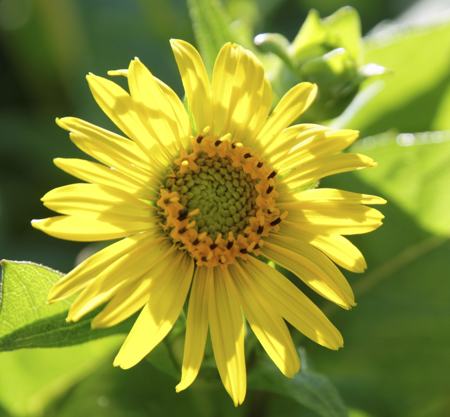
It is good for borders. The leaves of this tall plant form deep cups near the stems that collect dew and rainwater. Beneficial insects like to land on these cups. Moreover, the flowers are also attractive. The plants bloom from mid to late summer. They are hardy to zones 3 and 4.
Bachelor's Buttons or Cornflower (Centaurea cyanus)
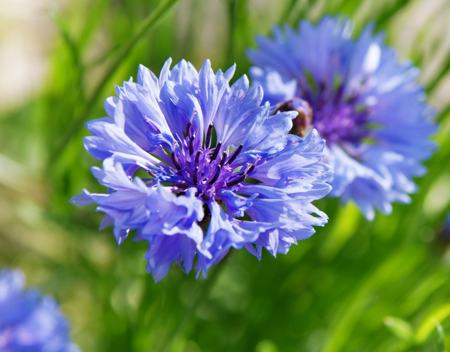
A study conducted in Germany has showed that this flower produces nectar that has a very high sugar content of 75 percent. It is highly attractive to flower flies, ladybugs, lacewings, and helpful wasps. Surprisingly, the leaves of this plant release nectar even when the flowers are not blooming.
Borage (Borago officinalis)
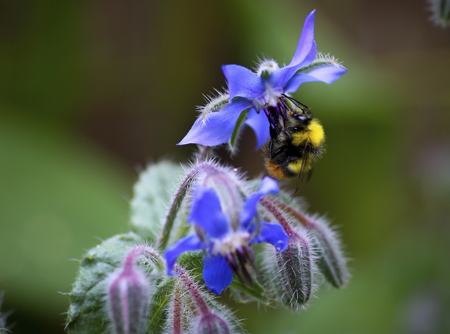
These plants can make attractive borders. They produce bright blue clusters of edible, cucumber-flavored flowers. Green lacewings prefer these plants to lay their eggs. Researchers in Switzerland found over 100 beneficial insects in 1 square yard of borage.
Golden Marguerite (Anthemis tinctoria)
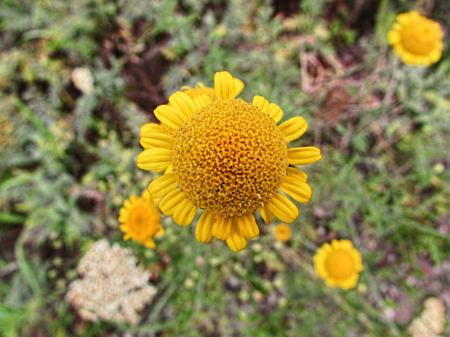
The plant tolerates poor soil. It is hardy in zones 3 to 7. You can divide the plants every 2-3 years. A study conducted at botanical gardens in Colorado and Wyoming showed that amongst the 170 selected species, Golden Marguerite with its bright yellow daisies was highly attractive to five main types of beneficial insects - ladybugs, lacewings, flower flies, tachinid flies, and mini-wasps. No other plant could attract so many insects as Golden Marguerite could.
Fennel (Foeniculum vulgare)
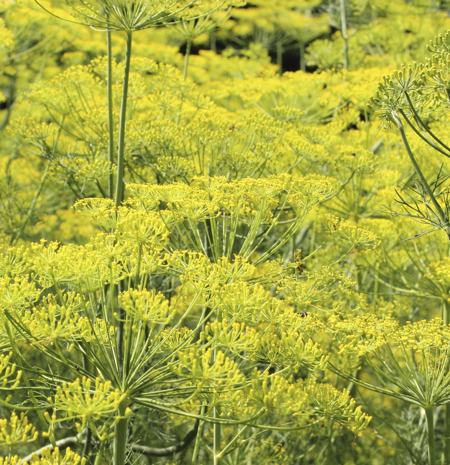
The long-lasting fennel flowers can attract various types of beneficial insects. The plants are perennial in zones 6 - 9. Fennel can be grown in pots or in borders. The strongly flavored seeds and leaves are edible, and can be used in salads. This highly aromatic herb has several culinary and medicinal uses. The plant develops a very long taproot.
If these plants are not available, there exist several other plants that attract beneficial insects. Take a look at the following lists.
Plants that Attract Lacewings
►Achillea filipendulina: Fern-leaf yarrow
►Anethum graveolens: Dill
►Atriplex canescens: Four-wing saltbush
►Callirhoe involucrata: Purple poppy mallow
►Carum carvi: Caraway
►Coriandrum sativum: Coriander
►Daucus carota : Queen Anne's lace
►Foeniculum vulgare: Fennel
►Helianthus maximilianii: Prairie sunflower
►Taraxacum officinale: Dandelion
Plants that Attract Hover Flies
►Achillea millefolium: Common yarrow
►Anethum graveolens: Dill
►Aster alpinus: Dwarf alpine aster
►Atriplex canescens: Four-wing saltbush
►Callirhoe involucrata: Purple poppy mallow
►Carum carvi: Caraway
►Coriandrum sativum: Coriander
►Daucus carota : Queen Anne's lace
►Eriogonum fasciculatum: Buckwheat
►Foeniculum vulgare: Fennel
►Lobularia maritima: Sweet alyssum white
►Mentha spicata: Spearmint
►Petroselinum crispum: Parsley
►Rudbeckia fulgida: Gloriosa daisy
►Sedum spurium: Stonecrops
►Stachys officinalis: Wood betony
►Tagetes tenuifolia: Marigold 'lemon gem'
►Thymus serpylum coccineus: Crimson thyme
►Veronica spicata: Spike speedwell
►Zinnia elegans: Zinnia 'liliput'
Plants that Attract Ladybugs
►Achillea filipendulina: Fern-leaf yarrow
►Achillea millefolium: Common yarrow
►Ajuga reptans: Carpet bugleweed
►Anethum graveolens: Dill
►Anthemis tinctoria: Golden marguerite
►Asclepias tuberosa: Butterfly weed
►Atriplex canescens: Four-wing saltbush
►Coriandrum sativum: Coriander
►Daucus carota: Queen Anne's lace
►Eriogonum fasciculatum: Buckwheat
►Foeniculum vulgare: Fennel
►Helianthus maximilianii: Prairie sunflower
►Tagetes tenuifolia: Marigold 'lemon gem'
►Tanacetum vulgare: Tansy
►Taraxacum officinale: Dandelion
►Veronica spicata: Spike speedwell
►Vicia villosa: Hairy vetch
Many names are repeated in the lists above. It can be concluded that plants that produce nectar can attract various types of beneficial insects. The insects get carbohydrates from nectar and protein from pollen. So, instead of worrying about the type of insects and type of plants, you can plant a wide range of plants that bloom throughout the growing season. This will encourage biodiversity, and will also offer you the benefits of natural pest control.
Early Blooming Plants
►Ajuga reptans : Carpet bugleweed
►Anemone nemorosa: Snowdrop anemone
►Aquilegia x hybrida: Columbine
►Forsythia x intermedia: Forsythia
►Hamamelis x intermedia: Witch hazel
►Helleborus orientalis: Lenten rose
►Lobularia maritima: Sweet alyssum
►Narcissus: Daffodils
►Penstemon strictus : Rocky mountain penstemon
►Potentilla verna: Native potentilla
Mid-season Blooming Plants
►Achillea filipendulina:Common yarrow or Coronation gold
►Aster alpinus: Dwarf Alpine aster
►Callirhoe involucrata: Poppy mallow
►Coriandrum sativum: Coriander / Cilantro
►Dianthus caryophyllus: Carnation
►Geranium: Cranesbills
►Leucanthemum: Shasta daisy
►Mentha sp: Mint
►Potentilla recta 'Warrenii': Sulfur cinquefoil
►Sedum sp: Stonecrop
►Valeriana officinalis: Garden valerian
►Veronica spicata: Spike speedwell
Late Blooming Plants
►Achillea millefolium: Fernleaf Yarrow
►Allium tanguticum: Lavender globe lily
►Anemone x hybrida: Japanese anemone
►Anethum geraveolens: Dill
►Anthemis tinctoria: Dyer's camomille
►Aster novae-angliae: Aster
►Foeniculum vulgare: Fennel
►Helenium autumnale: Helenium
►Limonium latifolium : Sea lavender
►Monarda fistulosa: European goldenrod
►Perovskia atriplicifolia: Russian sage
Taking into consideration the climate of the region where you live, you can select plants of your own choice. If you decide to control pests with the help of flowers that attract beneficial insects, you should tolerate minor pest infestations. If food is available, then only beneficial insects will be attracted to your garden. Blooming flowers can help keep them in your yard. And, you will have to reduce the use of pesticides, as they would kill all the beneficial insects.