
Although gnats are harmless, they are very annoying. Also called fruit flies, they buzz and hover around plants and are attracted to rotten eatables. That is why they are most commonly found around trash cans and drains. Gnat infestation is a common problem affecting houseplants. Although the insects are less in number initially, they soon multiply and create a nuisance for the plants.
A single gnat has the capacity to lay about 200 to 300 eggs, which aggravates the problem of escalation in their numbers. Even though they are not fatal for the plants, they can seriously inhibit the plant's growth. This problem is most common in winters and early spring.
Home Remedies
Applying Fungicide
Fungus is the main source of food for these creatures, and hence it must be removed first. It happens many times that after applying different chemicals, the gnats go away but return in a day or two. Applying fungicide over the top soil and both sides of the leaves of the plant can get rid of the insects. Make sure that you spray fungicide on the leaves in such a way that it drips down the stem of the plant. This can work instantly, as the source of food of these pests is killed. Also spray it in the sink drains, litter boxes, and trash cans.
Using Potato Slices
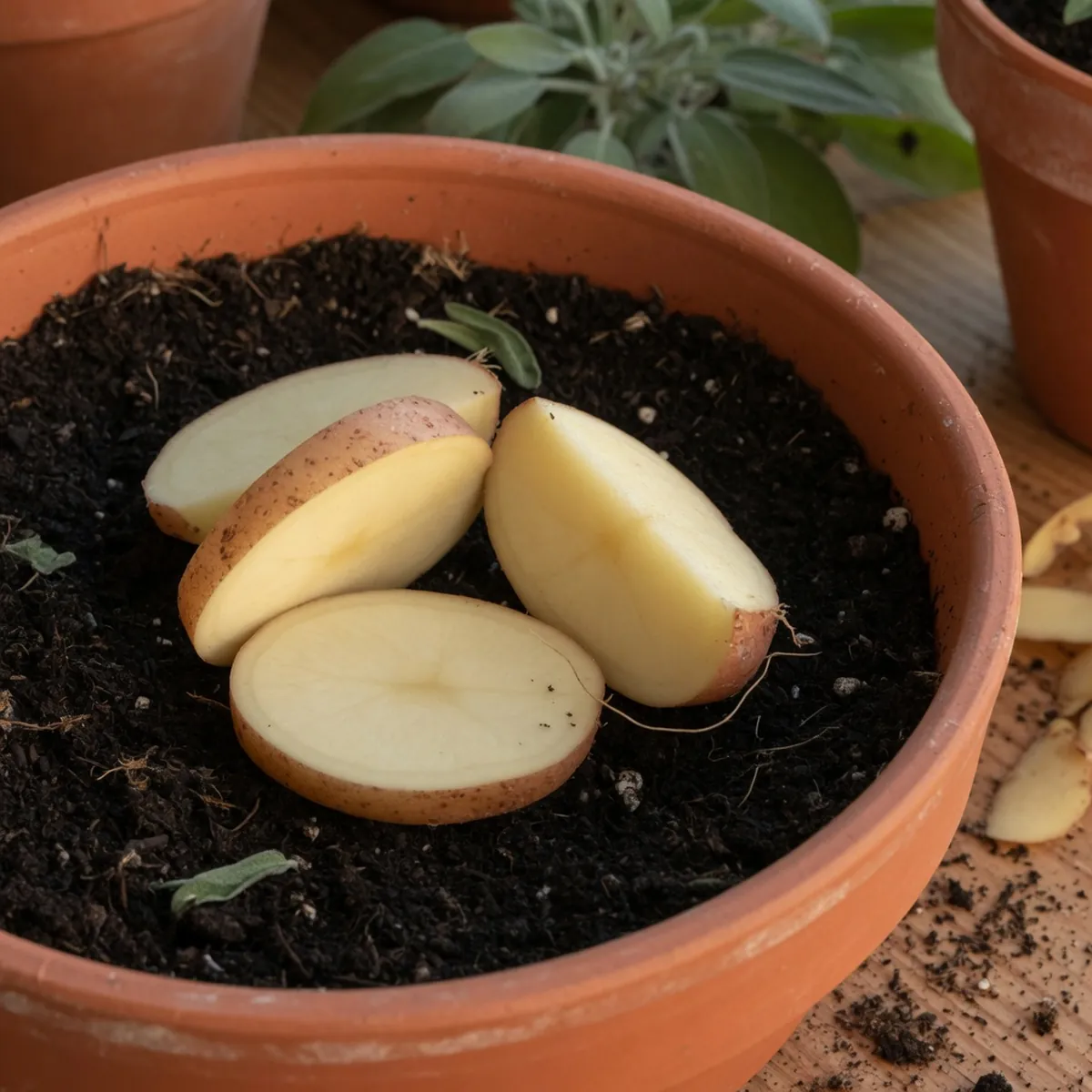
Gnats typically lays eggs on the cracks of the soil, and hence just getting rid of the adults is of no use. The larvae need to go too. Slice pieces of potatoes and place them on the soil around the plant. Instead of laying eggs on the soil, the gnats will lay eggs on the potato slices. After two to three days, throw the slices away. Repeat this step a few times till you find that the gnats have reduced to a considerable extent.
Change of Soil
Besides houseplants, gnats can also be found in lawns and gardens. It is very likely that your houseplants may be reinfected by gnats found outdoors. To prevent this, you need to make sure that there is no decaying plant material around the plant. Moreover, the soil needs to be dry enough to prevent fungus growth. To ensure that the moisture content of the soil is reduced to manageable levels, let the soil dry out completely before you water the plant again. You can also re-pot the plant by removing it from the pot, replacing the soil, and putting the plant back.
Using Sticky Cards
The downside of this method is that you can get rid of only a few gnats at a time. So you would need to use this method multiple times to get rid of this problem completely. Moreover, before they are killed, gnats may have laid several hundreds of eggs, so only killing the adults will not work. You can try this in combination with the potato slice method.
You can also opt to use chemicals, be it fungicide or insecticide. However, if you do, make sure that you do not allow children and pets near the plant, as these chemicals may affect their health.