
The use of fertilizers in the field of agriculture is common from age-old times. They are added to the soil in proper proportions to improve the growth of plants. High solubility, concentrated nature and fast action are the main characteristics of fertilizers. They are used as they improve the productivity of the soil. There are several types available in the market and hence choosing the best one would not be that easy. In such a case, it would be advisable to seek the opinion of agriculture experts to get the best results. Their prices are dependent on their demand at various locations.
Types of Fertilizers
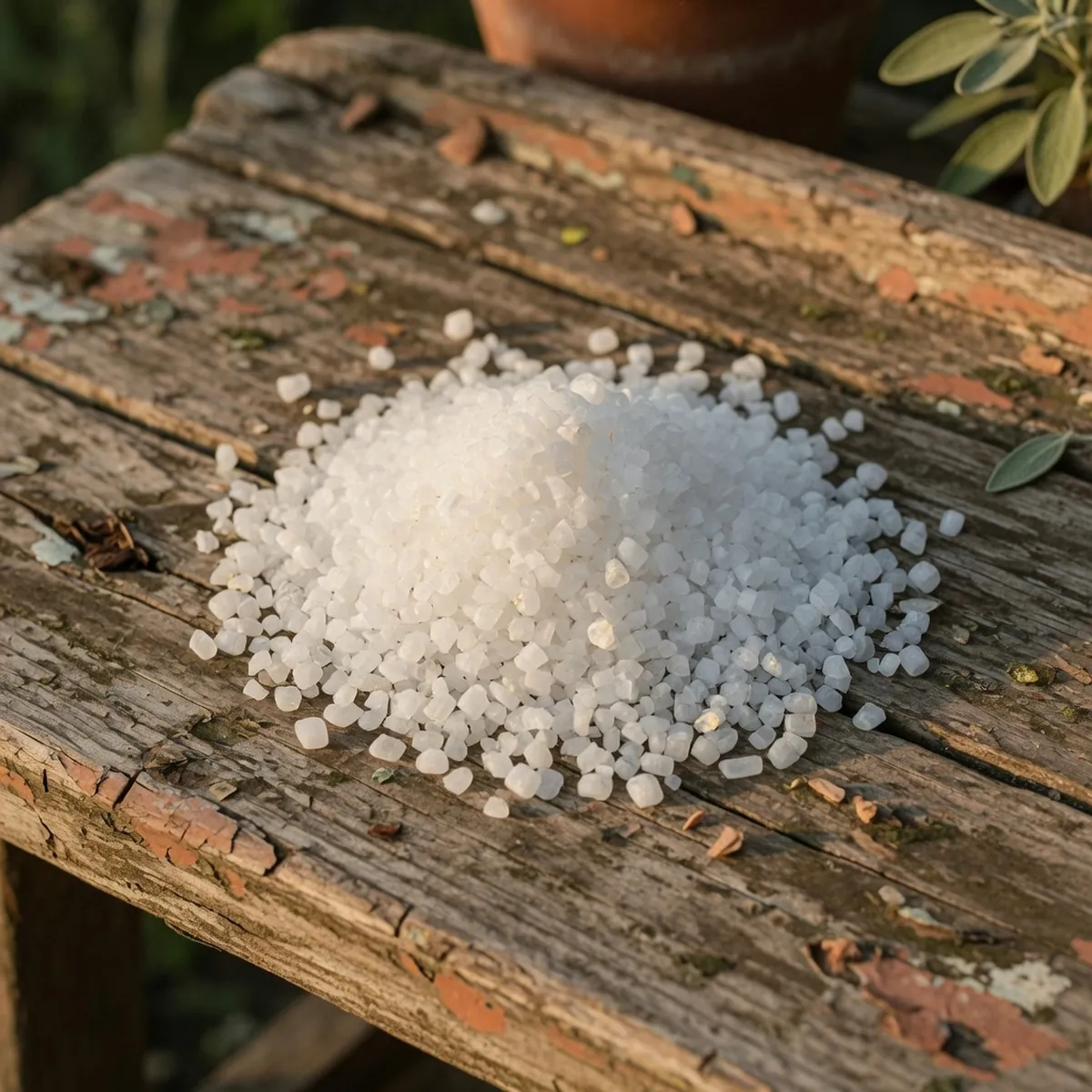
Among the most useful, widely known and widely used fertilizers, Liquid and granular ones rank at the top place. The reason is that their storage, transportation and use is simple as compared to other types. As for the storage part, no costly and complicated equipment is required for the granular ones. These are found either in form of granules or as a liquid.
Then, there are the straight fertilizers that will supply only one element to the plants. Generally, these provide potash, nitrogen and phosphorus to the plants which are crucial nutrients for their growth. The synthetic organic fertilizers, which are a result of mixing or organic as well as inorganic materials are used extensively because they are stronger than the normal ones.
Organic fertilizers are also used in today's times when the activity of farming has become scientifically and technologically driven. In these the risk of over-fertilization is almost non-existent. They are also known to improve the capacity of soil to hold water. The disadvantage of these is that the plants cannot benefit from them immediately. This problem is resolved in case of inorganic ones which help plants get essential nutrients immediately. Over-application of inorganic fertilizers can affect the life of the plant.
Price Trends
Studying the trends of fertilizer prices is essential for farmers as well as economists. Current trends suggest that the prices are on a rise due to growing agricultural activity. Agricultural output needs to rise considerably every year to feed the ever rising population. So, as per the population growth, the prices have also shown an upward trend.
The trends also indicate that transportation costs also have put pressure on the prices. Looking ahead, prices of fertilizers may show an upward movement with increase in transportation costs. We conclude that demand for mineral fertilizers has shot up greatly for increasing the fertility of land. Reports suggest that demand for the fertilizers for bio-fuel crops will be around 6.5 million tons in 2012 and around 14 million tons in 2015.
The price budget for fertilizers will naturally go up with such excessive use. Prices were extremely high during the phase before the global economic meltdown that is before 2008. At that time, potash was priced in excess of $800 per ton, anhydrous ammonia at more than $980 per ton and di-ammonium phosphate over $1100 per ton. However, in times of the recessionary period (2008-2009), the prices, on an average, fell by around 30% to 40%.
The prices for anhydrous ammonia were around $500 in this time while DAP was selling at $450-$500 per ton. After the economic recession was over, and the economy of most nations started picking up, fertilizer prices have begun to show an upward trend again.
Current Cost
The cost of fertilizer depends on the kind you wish to purchase. Over the past year or two, the fertilizer prices have seen an upward trend which is affecting the budgets of small farmers. Nitrogen, which is used in the form of anhydrous ammonia costs around $0.25/lb. The rates for it earlier were around $0.1/lb. The per ton prices for nitrogen are between $400 to $550.
Some analysts expect these prices to jump further, in case of rising demand, to around $700 per ton. Urea prices are expected to be around $418 per ton as per market sources. Potash, which is also widely used can cost above $500 a ton. The DAP fertilizer average price was around $680 per ton whereas the MAP fertilizers cost around $700 per ton. Phosphorus and potassium can cost farmers between $350 to $380 a ton.
The high prices have forced many people to think of manure as the alternative nutrient supplier to plants. For those who can afford them, using them efficiently and properly is important, as overuse can have disastrous effects on plants. So, think of all these points before you buy fertilizers to succeed in your farming activity.