
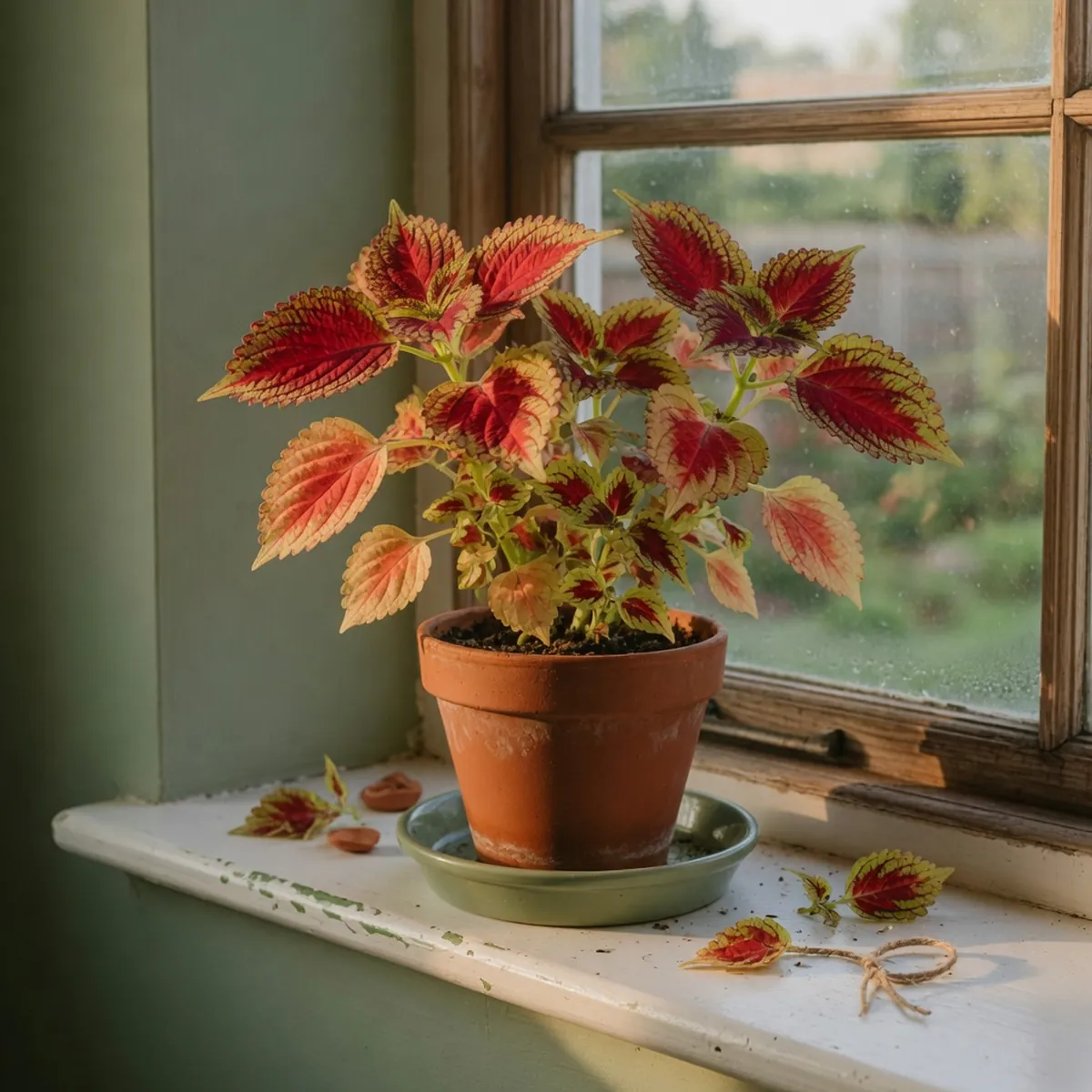
Belonging to the plant genus Solenostemon, the coleus species include five different types of tropical perennial plants. Owing to their colorful foliage and beautiful leaves, many hybrid varieties are also cultivated which have their multi-colored look and mixed foliage patterns. The geographical regions that serve as their native growing grounds, the cradles of inception so to say, are the tropical regions of Africa, Australia, Asia, South and Southeast Asia, the Indonesian Archipelago, and the Philippines. They are often given high regards as decorative garden plants by gardening enthusiasts. Also, their potted versions are often kept in apartments and flats by people to impart some color and natural beauty to their otherwise enclosed habitats. Come, let's get to know this beautiful plant a little closely.
Scientific Name of Coleus
Although more than one plant species are known commonly as coleus, Coleus Blumei and Coleus X hybridus are the common scientific names that are used to identify species belonging to this group. Other common names are Poor Man's Croton, Flame Nettle, Painted Nettle, Painted Leaf, and simply Coleus.
Caring for a Coleus Plant
If you're all upbeat about getting a coleus plant for your apartment, then you must be wondering how to care for one. Well, rid yourself of all worries as we bring you relevant information regarding all you need to know about coleus care. They grow best when placed in bright, open areas that are partially covered and receive indirect sunlight. Although they undergo no damage, if exposed to direct sunlight, their brightly colored leaves often exhibit signs of fading. One of the best tips to keep it fresh and perennial for several years is to remove the flower spikes, as and when they appear and to keep the plant pinched back. If flowers are allowed to bloom, the leaves lose much of their color.
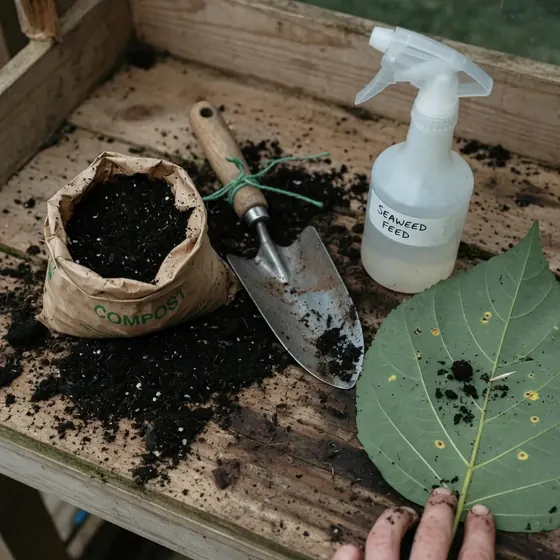
The ideal soil for growing coleus should be quick draining to avoid excess moisture accumulation at the roots. Excess water at the roots can cause them to decay and die out sooner than they should. You can get commercial potting soil set into the flower pot in which you intend to grow this plant. You must always take care to ensure that the soil is evenly moist without inching towards sogginess. The ideal pH of the soil should be either neutral or marginally alkaline. Although these seemingly delicate but otherwise hardy plants are extremely adaptable to a wide range of atmospheric temperatures above 55°F, they undergo the best rate of growth and exhibit the most strikingly bright hues of color when kept within a temperature range of 70°F to 85°F.
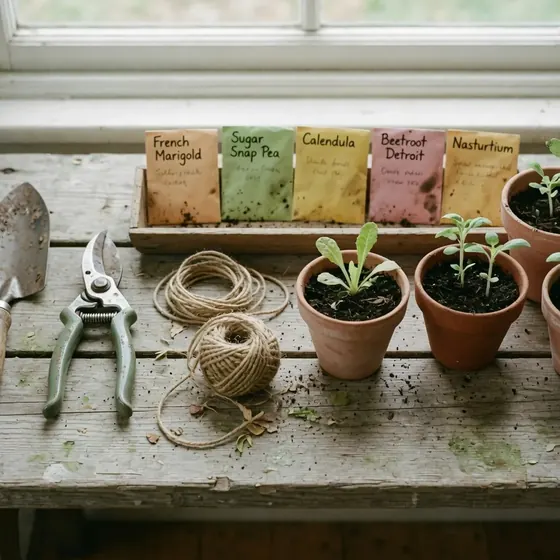
If you intend on growing these plants in an open garden, make sure that you sow them at least a foot apart from each other in the flower bed. Suppose they appear to wilt due to the soil getting dried out, it should not be a cause of concern as they recover very quickly once the adequate amount of moisture is restored. Nourishing them with a liquid, multipurpose fertilizer once every month along with overseeing the soil moisture levels and keeping the flowers off are sufficient to keep them healthy and colorful for many seasons.
Are They Poisonous?
Well, depending upon the sensitivity level of each individual's skin, the coleus leaves may give you a mild version of allergic dermatitis. You may get reddish rashes on the skin if you've been in contact with the leaves for a long time or pretty frequently. The irritation usually lasts for just a few minutes and medical attention may not be needed at all.
Slugs, snails, aphids, mealy bugs, and white flies are the most common parasitic bugs that pose threat to the colorful foliage of these plants. Look out for random perforations and tears in the leaves to identify bug attacks on your beloved coleus and sprinkle appropriate anti-parasite products to keep them at bay. After all, you wouldn't want those little devils to spoil the colorful view, would you?