
A Raywood Ash tree is your solution if you're looking for that one finishing touch to give your already magnificent garden. But before you rush to get one for yourself, read ahead to know some basic facts about this wonderful tree.
FACTS AT A GLANCE Scientific Name Fraxinus oxycarpa Native to Asia Shedding Pattern Deciduous Leaves Initially green, turn red (claret) as they grow, and turn purplish by fall Flowers Tiny inconspicuous white Fruit Does not bear fruit Hardiness Zones Zones 5 to 8 (-20° F to 20° F)
Growth Requirements
Soil
This tree can tolerate different types of soil. It grows well in sandy, loam, mildly alkaline, well drained and even in acidic soil.
Climate
Full sun and moderate to low rainfall are the best climatic conditions for this tree. The first month after planting the sapling is very important. In this period, it is important that the sapling is watered almost everyday. After a month, the intervals can be reduced.
Fertilizers
Like any other plant, this tree needs regular fertilizers in the initial stages, and then the intervals between the fertilization can be increased.
Using It for Landscaping
Garden Design
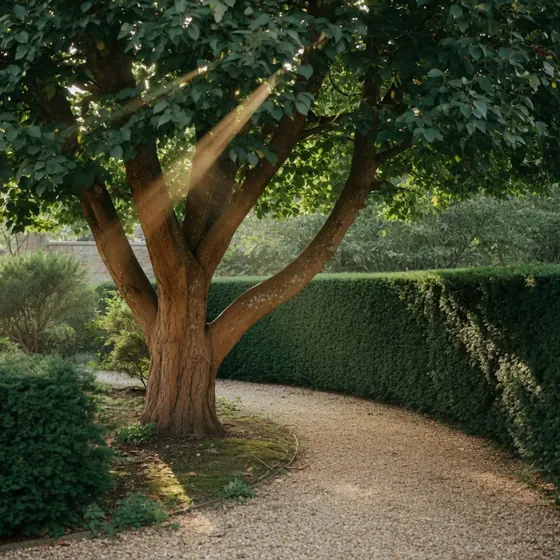
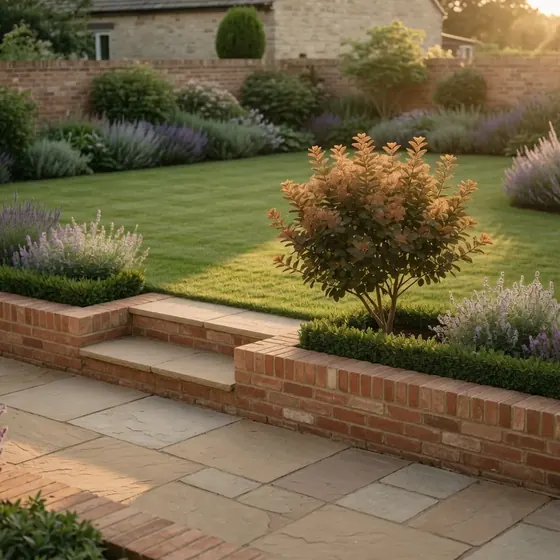
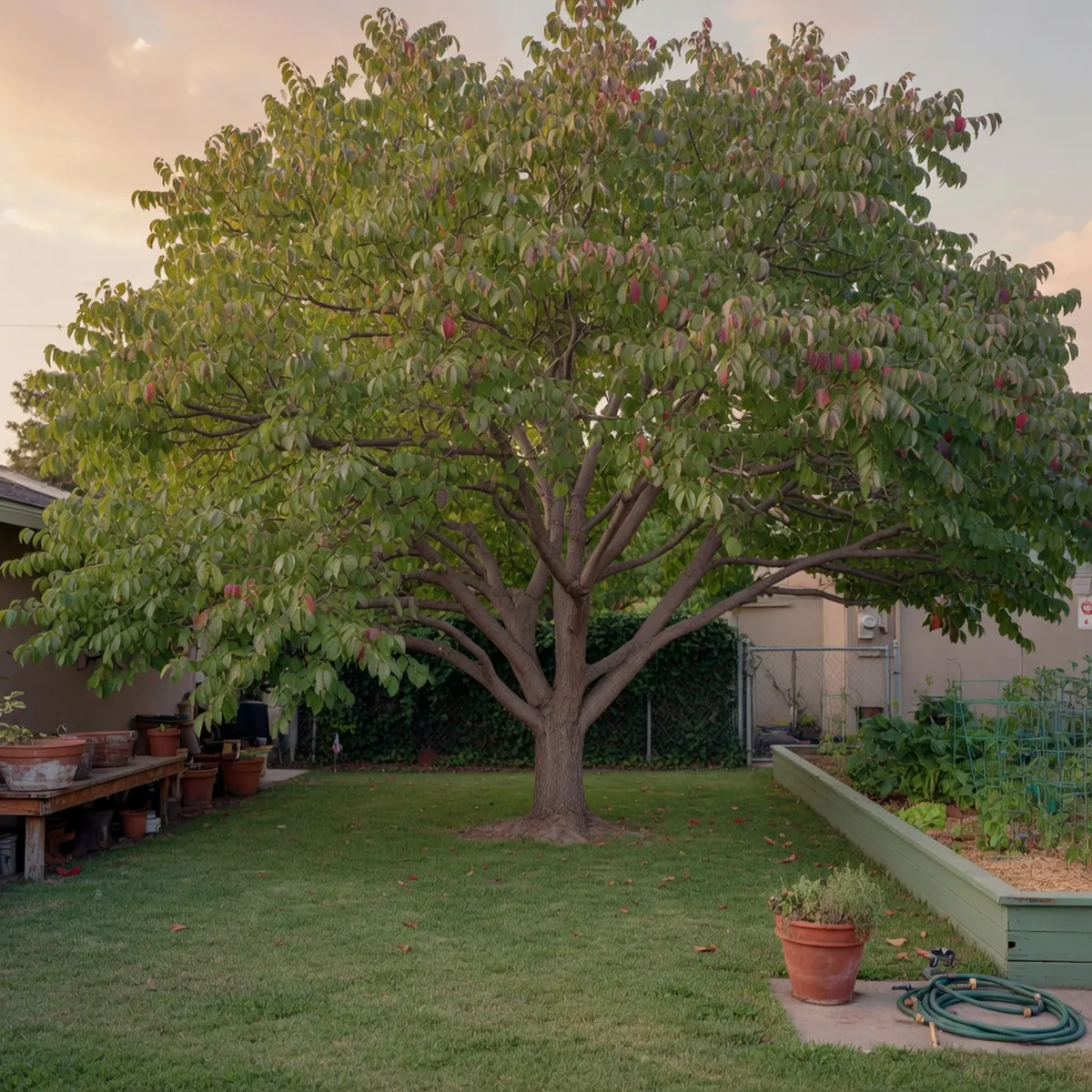
A Raywood Ash tree can add grandeur to your garden. If your garden is full of evergreen shrubs and bushes, it can add a dash of color to it at the corners. If you have a flower garden, it can complement it with its canopy.
Parking Lots
They make great borderlines for big parking lots. Make sure the parking lot is larger than 200 feet 2, as the tree can have a huge canopy if not pruned.
Street Trees
Raywood Ash trees lining streets look simply stunning. They also provide ample shade, which helps, especially in summers. Cars from houses which do not have a basement parking facility can park under these trees.
Backyard
You can plant a single tree in your backyard. It is a great embellishment PLUS you won't have to worry about your kids playing out in the heat. The tree's shade will keep them and your house cool.
How to Plant and Care for It
The tree may require regular pruning in the first year. Also, you may have to cut out stray branches once in a while. Otherwise, your tree is ready after a year of planting. Plant the sapling and water it daily for the first month. Make sure that the distance between the roots and the foundation of your home is more than (at least) 20 feet. Loosen the soil in the area that you plan to plant the sapling.
Use 10-10-10 fertilizer generously in the beginning. This will enrich the soil with the required nutrients for the tree to grow. Since this tree is a fast grower, you won't have to continue this practice for long. Once the plant is firmly rooted, watering and fertilizing can be done at longer intervals. This tree is generally quite hardy and does not fall prey to diseases that other ash trees fall prey to. However, there is a particular kind of fungal disease which causes a die-back in the tree. This causes the young shoots to die, progresses to older branches and may even consume the entire tree. The best way to avoid such a disease is to provide the Raywood sapling with the optimum growing conditions mentioned above.
A Raywood Ash tree can be a companion for life. It can live up to an average of 80 years! So get your family one of these charming trees and nurture them together.