
The Arabian desert is the third largest desert in the world after the Sahara and the Australian desert. It stretches across and occupies most of the Arabian peninsula. It is a vast and continuous stretch of sand and survives the most extreme temperatures. The daily temperature during the day time could be anywhere around 50 degrees Celsius and the nights are extremely cold, with the temperature falling below 0 degrees Celsius.
Hence, this desert area hovers between the extreme temperatures and so, the Arabian climatic conditions are not very suitable for living species. Therefore, the flora and fauna of this Arabian desert too is very limited and scattered all over the desert region. You will hardly come across a stretch of continuous vegetation or find insects and animals who can survive the extreme climate of the Arabian desert. Yet, some plants seems to bloom here, let's have a look at the Arabian desert plants.
Arabian Desert Plants List
Desert Roses
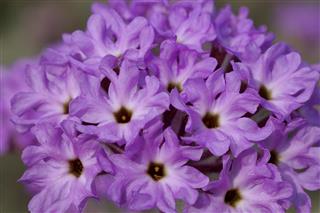
Adenium or desert rose is the flowering plant that grows in the Arabian desert. These flowering shrubs or small trees have swollen trunks to hold water in them to survive the hot climate. These plants bloom in clusters throughout the Arabian desert, during the entire year. But, they cannot tolerate cold climates hence, bloom only when the sun is shining bright.
Date Palms
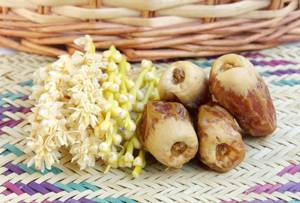
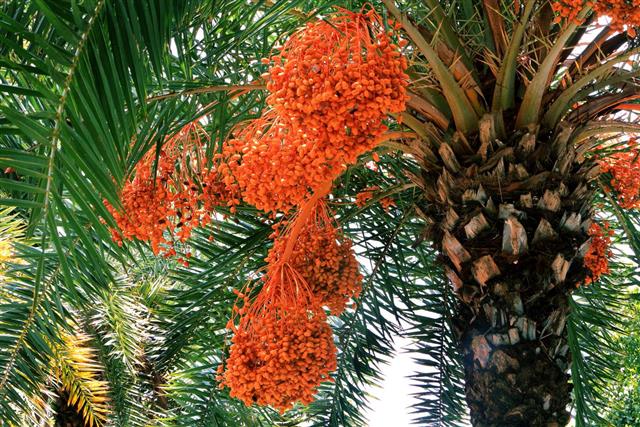
The Arabian desert is full of date palm trees (Phoenix dactylifera), 'full' meaning date palms are the most commonly found plants in the Arabian desert. These trees normally grow around the oasis or near a small water body. It normally grows 70-75 feet in height and survives the climatic conditions, since it has fibrous roots that go deep down in the ground to get nutrients. These trees also yield fruits called dates, that are used as important food sources by both human and animals.
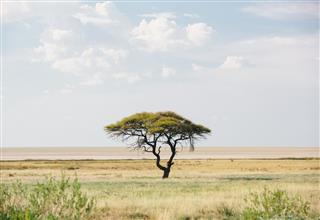
Acacia
Acacia trees are normally found in dry environment, including the Arabian desert. They have these long sharp thorns that hold water to survive the arid climate of the desert. The seed pods and leaves are edible, hence they make food for people and animals living there. Another reason this tree survives the climatic conditions of the desert is that it has deep roots that dig down in the soil and obtain the necessary nutrients for it to survive.
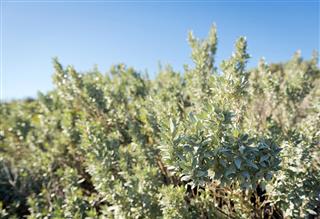
Salt Bush
Salt bush or orache (as it is commonly known) are one of the widespread Arabian desert plants. This plant grows around 3-6 feet in height and has leaves which look like spinach leaves. These plants are highly tolerant of the salt content in the soil and retain salt in their leaves, that is how this plant derives its name, 'salt bush'. Although edible, the strong salty taste of the leaves makes it unfit for consumption.
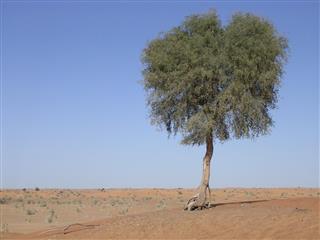
Ghaf Tree
The ghaf tree (Prosopis cineraria) is native to the Arabian desert. This tree shoots up to a great height within a short span of time. The main reason it sustains in desert areas is that it requires very little water to survive. The wood of these plants is strong and used in the constructing building by the local habitats.
Caper Plant
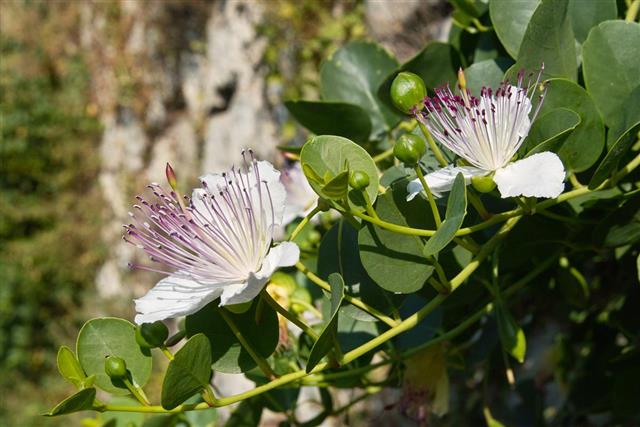
Caper, a common Arabian desert plant, is a gray-blue thorny plant. These plants even bear beautiful flowers that are sweetly fragrant. These plants are salt tolerant and require very less water to flourish. Moreover, they can also withstand cold freezing conditions. All the above characteristics, and its ability to adapt to poor soil conditions, makes it a very common plant in desert areas.
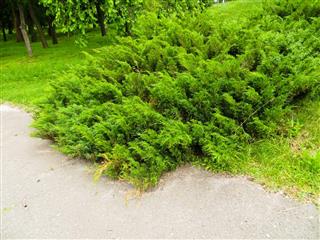
Juniper Trees
Juniper trees are evergreen coniferous trees, that spread across the Arabian desert. These trees yield fruits that make food reservoirs for the various birds and animals thriving in the desert region. The wood of this tree is strong and used for shelter and to make utensils.
Alfalfa
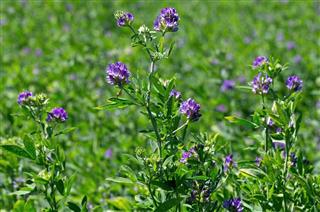
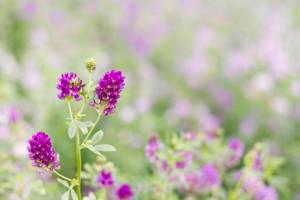
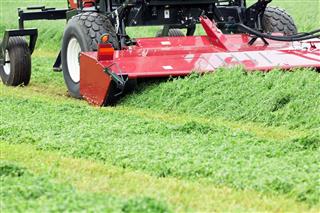
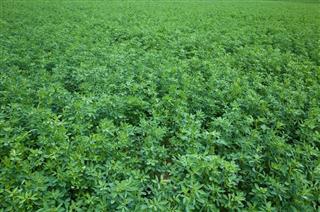
Alfalfa is a flowering plant that grows in clusters normally up to 3 meters in height. It has a deep root system, that sometimes stretches more than 20 meters down to get the required nutrients and water, hence very resistant to the drought conditions and can survive here for more than 5 years. The alfalfa plant is grazed by desert animals, but grows back within a short span of time.
Deserts normally support limited vegetation. The plant life that manages to thrive or flourish in these areas is usually because desert plants require less water to sustain and commonly require an arid climate to flourish.